


How It Works
Gabapentin doesn’t work like typical painkillers. Instead, it acts on calcium channels in the nerves to reduce the release of chemicals that send pain or seizure signals.
Over time, this calming effect helps to lessen shooting, burning, or tingling pain, and makes nerve activity more stable in people with epilepsy.
Typical Use and Dosage
Gabapentin is taken by mouth, usually in three doses a day, spaced roughly the same time apart.
Your doctor will start you on a low dose and increase gradually to find the right balance between effect and comfort.
For nerve pain, many people take between 900 mg and 1,800 mg per day split across three doses. For epilepsy, doses may be higher depending on individual response.
Capsules should be swallowed whole with water, with or without food.
Do not stop taking gabapentin suddenly; it should be reduced gradually under medical advice.
Possible Side-Effects
Like any medicine, gabapentin can cause side-effects, though not everyone gets them.
Common ones include:
-
Feeling drowsy or dizzy
-
Tiredness
-
Swelling in the legs or ankles
-
Weight gain or changes in appetite
-
Mild nausea
Less common but more serious reactions can include mood changes, trouble breathing, or skin rash with swelling — these need prompt medical help.
Most side-effects are mild and tend to settle after the first week or two of treatment.
Precautions and Who Should Avoid It
Gabapentin may not be suitable if you:
-
Have severe kidney problems (dose adjustments are often needed)
-
Are pregnant or breastfeeding (only used if clearly necessary)
-
Have a history of drug or alcohol dependence
-
Feel persistently low or have thoughts of self-harm — report this immediately to a clinician
Because gabapentin can make you feel sleepy or affect coordination, it’s best to avoid driving or operating machinery until you know how it affects you.
Avoid alcohol or recreational sedatives, as these can make side-effects stronger.
Legal and Safety Information (UK)
Gabapentin is a prescription-only medicine and is classed as a Schedule 3 controlled drug in the UK (under the Misuse of Drugs Regulations 2001).
This means it can only be dispensed on a valid prescription from a qualified prescriber.
Possessing or supplying it without a prescription is illegal.
Always obtain gabapentin through a registered UK pharmacy and never share it with anyone else, even if their symptoms sound similar.
Storage
Keep capsules in their original blister pack at room temperature (below 25 °C), away from heat and moisture.
Store out of sight and reach of children. Return any unused or expired medicine to a pharmacy for safe disposal.
Summary
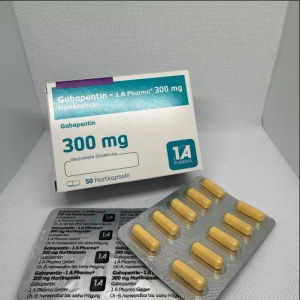
Gabapentin 300 mg is a prescription medicine used to ease nerve-related pain and to help control certain seizures. It works by calming over-excited nerves in the brain and spinal cord.
Taken regularly and as prescribed, it can reduce persistent nerve pain and improve quality of life, though care is needed to manage drowsiness or dizziness at the start of treatment.


Reviews
There are no reviews yet.